
Fresh Herbs All Winter, Right on Your Windowsill
When the garden goes quiet, your kitchen window can keep the harvest going.
There is something special about cutting a few leaves of fresh basil or chives in the middle of January, when everything outside is grey and frozen. And it doesn't take a greenhouse. A bright windowsill, the right herbs, and a few simple habits are enough.
The hard part is not planting, it's keeping them alive. Short days, dry heating air, and too much water kill more indoor herbs than anything else. Here is how to avoid all three and keep your herbs growing until spring.
The Biggest Challenge: Winter Light
In Central and Northern Europe, a December day can bring as little as seven or eight hours of weak daylight. Most herbs want at least six hours of direct light, so placement matters more than anything else.
The Best Herbs to Grow Indoors in Winter
Easy and Forgiving
Chives, parsley, and mint handle lower light better than most and keep producing leaves all winter. Mint grows fast, so give it its own pot.
Mediterranean Herbs
Thyme, oregano, and rosemary like it bright and fairly dry. Rosemary actually prefers a cool, bright room in winter, around 5 to 15°C, such as a stairwell or a cool bedroom window, rather than a warm living room.
Basil
The favorite, but also the fussiest. Basil wants warmth, ideally above 15°C, lots of light, and no cold drafts. Keep it away from windows you open often for airing in winter.
How to Save Supermarket Herb Pots
Most people start with a pot of basil or parsley from the supermarket, and most of those die within a few weeks. That's not your fault. They are grown to be eaten quickly, with dozens of seedlings crammed into one tiny pot.
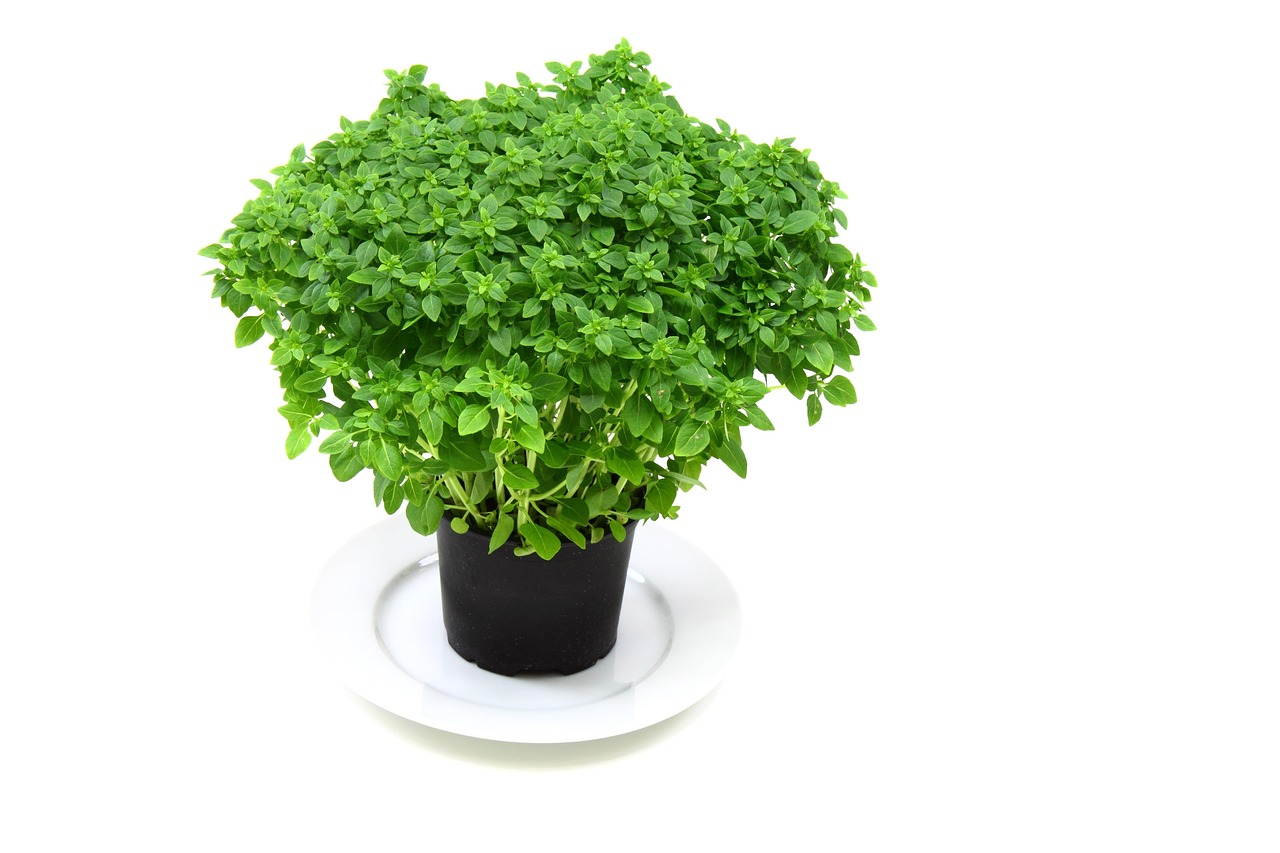
One divided supermarket pot can become three or four healthy plants.
Watering and Humidity
Indoor herbs need less water in winter than in summer because they grow slowly. Overwatering is the most common way to lose them.
- Push a finger into the soil. Water only when the top 2 to 3 cm feel dry.
- Always use pots with drainage holes, and empty the saucer after watering.
- Water in the morning with room-temperature water, not cold tap water.
Bringing Garden Herbs Indoors
You can also rescue herbs from your garden or balcony before the hard frosts. Chives, parsley, and thyme move indoors well.
Harvesting Without Killing the Plant
Regular harvesting actually keeps herbs bushy, as long as you do it right.
- Never take more than a third of the plant at once.
- Cut basil and mint just above a pair of leaves. Two new shoots will grow from that point.
- Cut chives and parsley from the outside, leaving the young center to keep growing.
- Pinch off flower buds on basil as soon as they appear to keep the leaves coming.
Quick Indoor Herb Checklist
- Brightest window, as close to the glass as possible
- Grow light if leaves look pale and stems stretch
- Pots with drainage holes, no standing water
- Water only when the top soil is dry
- Keep away from radiators and cold drafts
- Harvest often, but never more than a third
Final Thoughts
A few pots of herbs won't feed a family, but they make winter cooking taste fresh and keep a bit of green life in the house during the darkest months. Start with chives and parsley, give them your brightest window, and go easy on the watering. By the time spring arrives, you can move them back outside, stronger than when they came in.
Love Nature and Gardening? There's Much More Coming
If you are into nature, gardening, and agriculture, keep exploring our articles. We cover everything about it, in Europe and around the world, and there is much more coming soon. Follow our Facebook Page and join the conversation in our Facebook Group.
Comments
Post a Comment