
Plants Make Us Feel Better
What science and cultures around the world say about plants, mood, and wellbeing.
Long before science caught up, people around the world sensed that living alongside plants made them feel better. Today, research backs up what gardeners and plant lovers have always known: greenery does far more than decorate a room or a yard. From lowering stress hormones to improving air quality and even sharpening focus, plants play a quiet but powerful role in our physical and mental wellbeing, and cultures across the globe have built entire traditions around that connection.
The Science Behind Plants and Mood
Multiple studies have found that simply being around plants, whether outdoors in a garden or indoors with houseplants, can lower cortisol levels, the hormone most associated with stress. Looking at greenery has been shown to reduce heart rate and blood pressure within minutes, an effect researchers call "biophilic response," rooted in humanity's long evolutionary relationship with the natural world. Even a small potted plant on a desk has been linked in workplace studies to lower reported anxiety and improved concentration compared to plant-free environments.
Plants Around the World: Traditions of Healing and Wellbeing

In Japan, the practice of shinrin-yoku, or "forest bathing," involves slowly walking through wooded areas while intentionally engaging all five senses. Studies conducted by Japanese researchers have linked regular forest bathing to reduced blood pressure, lower stress hormone levels, and improved immune function, and the practice is now recommended by doctors as a form of preventive healthcare.
In India, the tulsi plant, also known as holy basil, has been cultivated for thousands of years and holds a sacred place in many households, often grown in a special courtyard pot and tended daily. Beyond its spiritual significance, tulsi is used throughout Ayurvedic medicine for its calming and adaptogenic properties.
Across the Mediterranean, lavender fields have supplied aromatherapy traditions for centuries, with the scent long used to ease anxiety and promote better sleep, a practice now supported by clinical research into lavender essential oil's effect on the nervous system.
In the Amazon rainforest, indigenous communities have relied on an enormous diversity of medicinal plants for generations, passing down detailed botanical knowledge that modern medicine is still studying today, with a significant percentage of modern pharmaceuticals originally derived from plant compounds first identified by traditional healers.

In China, the practice of feng shui has long incorporated living plants like bamboo and jade plants into home design, believed to promote positive energy flow, while modern interior design research now separately confirms that greenery in living spaces genuinely improves reported mood and comfort.
Health Benefits of Living with Plants
Beyond mood, plants offer measurable health benefits. Certain houseplants can help filter common indoor air pollutants, improving air quality in homes and offices. Gardening itself, as a physical activity, has been associated with reduced risk of depression and improved cardiovascular health thanks to the regular light exercise it involves. Hospital studies have even found that patients recovering from surgery in rooms with a view of greenery, or with plants present, tend to report less pain and are discharged sooner than patients without any connection to nature.
Step-by-Step: Building Your Own Plant Sanctuary at Home
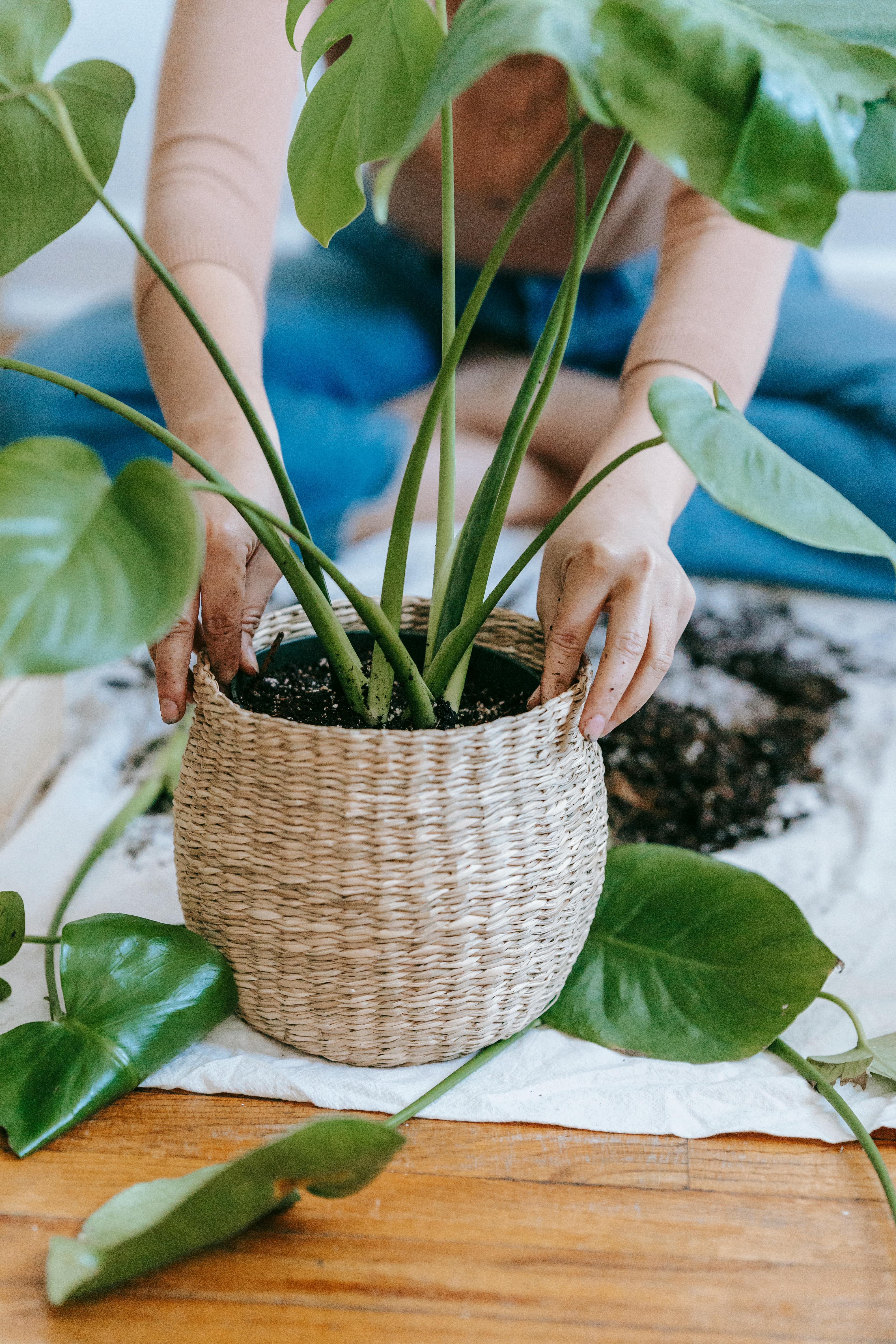
You don't need a large garden to experience these benefits. Here's how to start small:
- Choose one or two easy-care houseplants, such as pothos or a peace lily, to start with if you're new to indoor plants.
- Place them somewhere you spend a lot of time, like a desk, bedside table, or reading nook, so you benefit from seeing them daily.
- Establish a simple care routine, checking soil moisture once a week rather than watering on autopilot.
- Add a plant with fragrance, like lavender or jasmine, near a window to bring aromatherapy benefits into your space.
- If possible, spend time in a garden, park, or wooded area at least once a week, treating it as intentional relaxation rather than just a walk.
- Gradually expand your plant collection as your confidence grows, turning plant care into an ongoing, low-pressure hobby.
Quick Tips at a Glance
- Start with low-maintenance plants to build confidence before adding more challenging varieties.
- Position plants where you'll actually see and enjoy them daily.
- Use fragrant plants like lavender to support relaxation and sleep.
- Spend time in green spaces regularly, not just occasionally.
- Treat plant care as a mindful, stress-relieving ritual rather than a chore.
Love Nature and Gardening? There's Much More Coming
If you are into nature, gardening, and agriculture, keep exploring our articles, we cover everything about it, in Europe and around the world, and there is much more coming soon. Follow our Facebook Page and join the conversation in our Facebook Group.
Comments
Post a Comment