
Bring the Garden Indoors
Easy houseplants and flowers that brighten any room, even if you've never kept a plant alive.
There is something quietly transformative about walking into a room filled with greenery and a few blooms by the window. Beyond looking good, indoor plants and flowers change the feel of a home, softening bare corners, adding color through the seasons, and giving you something living to care for every day. Whether you have a sunny windowsill or a shadier corner that needs cheering up, there is an indoor plant or flower suited to the space.
Why Bring Plants and Flowers Indoors
Houseplants and cut flowers do more than decorate a room. Many people find that tending to a plant, checking the soil, turning a pot toward the light, trimming a spent bloom, adds a small, calming rhythm to the day. Greenery softens hard interior lines and flowering plants bring color and fragrance that shifts with the seasons. For a lot of households, a windowsill full of plants ends up doing as much for the mood as it does for the decor.
Easy-Care Houseplants for Beginners
If you are new to keeping plants, starting with a few forgiving varieties builds confidence before you move on to fussier species.
Snake Plant
Tall, sculptural, and famously hard to kill, the snake plant tolerates low light, irregular watering, and dry indoor air. It is a good choice for a first-time plant owner or a room that does not get much sun.
Pothos
This trailing vine grows quickly in almost any light and can be trained up a shelf or left to cascade from a hanging pot. It prefers to dry out slightly between waterings, so it forgives an occasional missed week.
ZZ Plant
With glossy, waxy leaves, the ZZ plant handles low light and inconsistent watering better than most houseplants, making it a favorite for offices and darker corners of a home.

Flowering Plants That Thrive Indoors
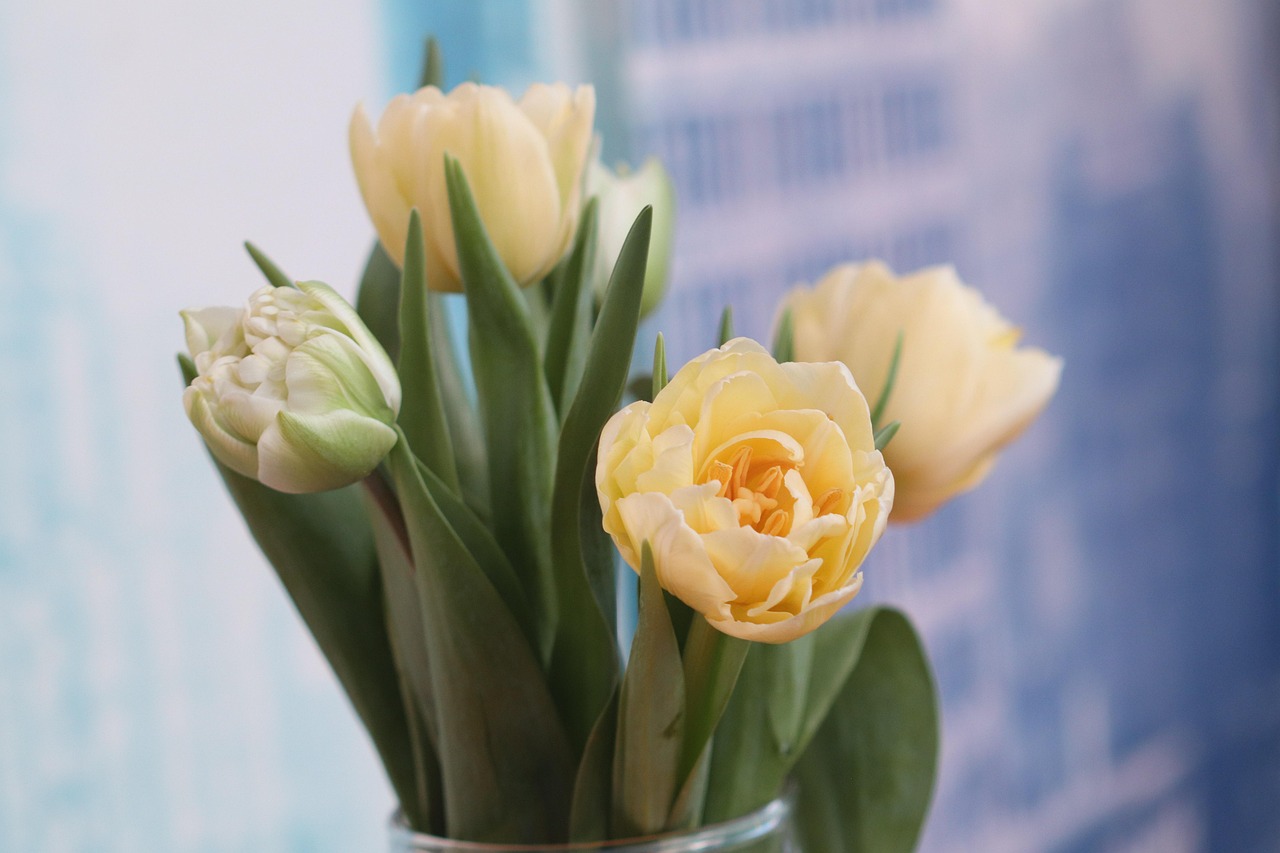
Not every indoor plant needs to be all foliage. A number of flowering species adapt well to life inside, rewarding a bit of extra attention with color throughout the year.
Peace Lily
Peace lilies produce elegant white blooms and tolerate lower light better than most flowering houseplants. The leaves droop noticeably when the plant is thirsty, which makes watering easy to time.
African Violet
Compact and long-blooming, African violets do well on a bright windowsill out of direct sun. Watering from the bottom helps avoid the leaf spots that come from splashing the fuzzy foliage.
Anthurium
Known for its glossy, heart-shaped flower spathes, anthurium blooms can last for weeks at a time. It prefers bright, indirect light and slightly moist, well-draining soil.
Caring for Your Indoor Plants and Flowers
Most indoor plant problems trace back to just a handful of basics. Getting these right solves the majority of issues before they start.
Light
Match the plant to the light you actually have rather than the light you wish you had. South- and west-facing windows offer the brightest light, east-facing windows give gentler morning sun, and north-facing rooms suit shade-tolerant species like pothos or snake plant.
Watering
More houseplants are lost to overwatering than underwatering. Check the top inch or two of soil before watering, and let pots with drainage holes empty out completely rather than sitting in a saucer of water.
Humidity and Temperature
Many popular houseplants originate in tropical climates and prefer moderate humidity and steady room temperatures. Keeping plants away from cold drafts, heating vents, and air conditioning units prevents a lot of stress on the leaves.
Feeding and Repotting
A diluted liquid fertilizer during spring and summer supports steady growth, while most plants can rest without feeding in the colder months. Repotting every year or two, once roots begin circling the bottom of the pot, keeps plants from becoming root-bound.
Styling Indoor Greenery in Your Home
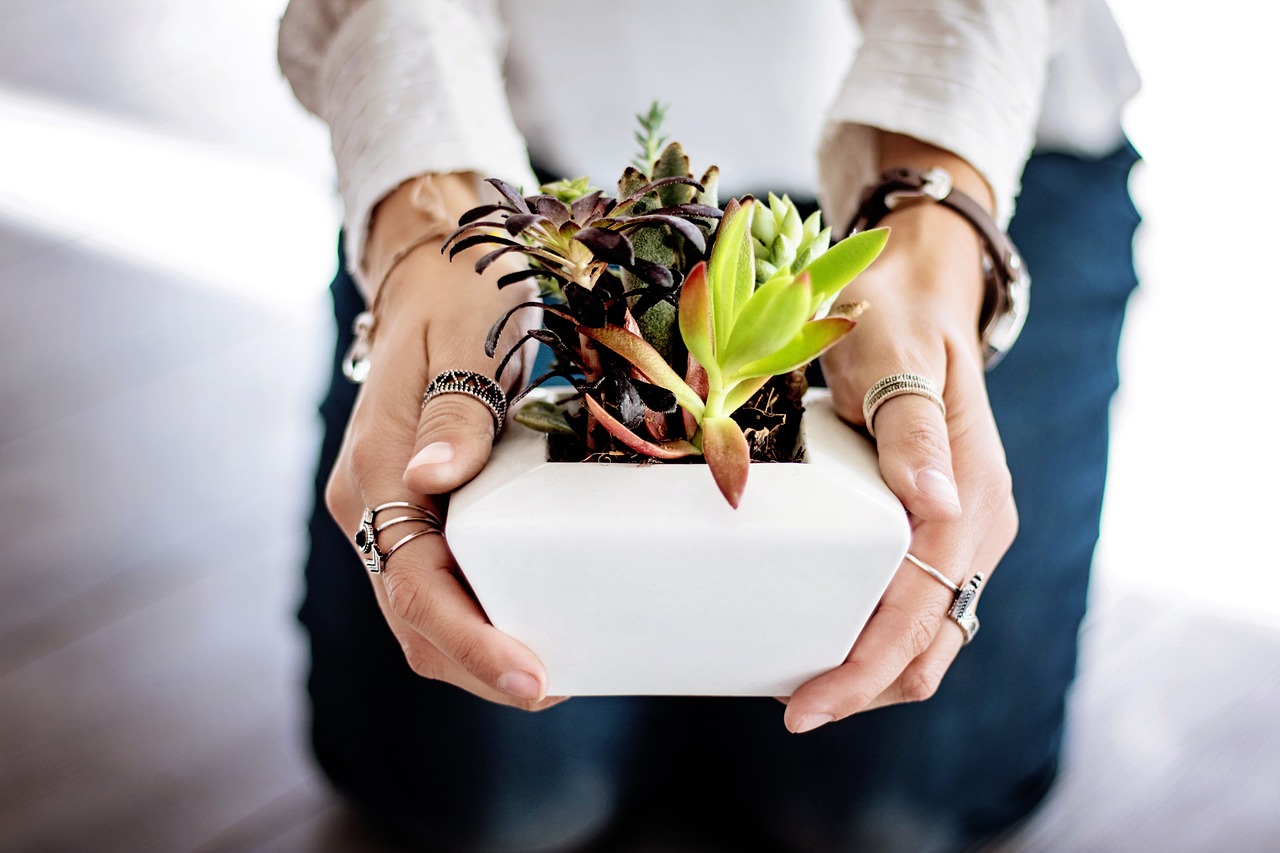
Grouping a few pots of different heights together tends to look more intentional than scattering single plants around a room. Trailing varieties work well on shelves or in hanging planters, taller plants can fill an empty corner, and a small flowering plant on a table or windowsill adds a welcoming touch of color near an entryway. Choosing pots that match your existing decor helps plants feel like part of the room rather than an afterthought.

The Bottom Line
You do not need a large space or a lot of experience to bring plants and flowers indoors. Starting with a few easy-care houseplants, paying attention to light and watering, and adding a flowering plant here and there is usually enough to turn a room into a greener, more welcoming place to spend time.
Love Nature and Gardening? There's Much More Coming
If you are into nature, gardening, and agriculture, keep exploring our articles, we cover everything about it, in Europe and around the world, and there is much more coming soon. Follow our Facebook Page and join the conversation in our Facebook Group.
Comments
Post a Comment