Your Garden Isn't Done Yet
Late summer is one of the best planting windows of the year. Here's what to sow now for a harvest well into autumn.
Most gardeners treat late summer as the season to start winding down, but it is actually one of the best windows of the year to plant. The soil is still warm from months of sun, days are shortening just enough to favor leafy growth over bolting, and cooler nights ahead mean sweeter, more tender crops by the time you harvest.
A second planting now can carry your garden well into autumn, and in mild climates, right through the winter. Here is what to get in the ground in the coming weeks, how to protect it as temperatures drop, and a simple timeline to keep it all straight.
Why Late Summer Is Prime Time for a Second Planting
Many vegetables that struggle or bolt in the heat of midsummer actually perform better sown now. Cooler air temperatures slow the plant's rush to flower and set seed, which is what makes leafy greens like lettuce turn bitter in July.
At the same time, the soil itself is still warm enough for fast, reliable germination, something a spring sowing into cold soil cannot match. The result is a crop that germinates quickly, grows steadily, and matures just as the weather turns mild and pest pressure drops off.
Best Vegetables to Sow Now
Leafy Greens
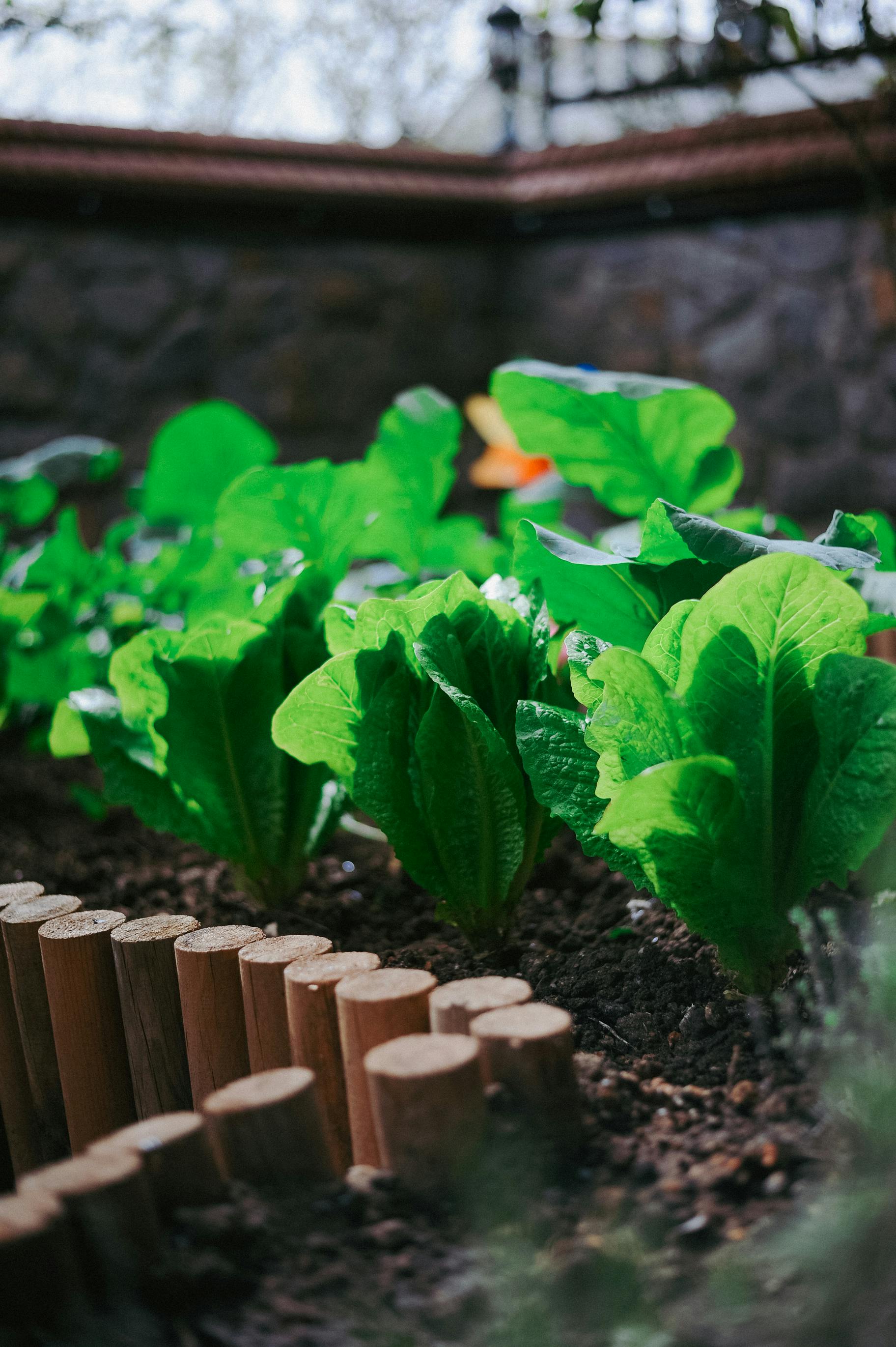
Spinach, lettuce, arugula, and mustard greens are the easiest wins for a fall garden. They germinate quickly, mature in a matter of weeks, and actually taste better once nights turn cool.
Root Vegetables
Radishes are ready in as little as three to four weeks, making them one of the fastest crops you can plant right now. Turnips and beets take a bit longer but tolerate light frost well, and their flavor often improves after a cold snap sweetens the sugars in the root.
Brassicas
Kale and kohlrabi thrive in the cooling weather ahead and, like root vegetables, tend to taste sweeter after a light frost. Both hold up in the garden far longer than summer crops, so they can often be harvested gradually well into the colder months.
Protecting Your Fall Crops from Early Cold
A first light frost is not usually the threat people assume it is. Many fall crops handle it well or even benefit from it. What actually matters is having a plan for the harder freezes that follow a few weeks later.
A Simple Fall Planting Timeline
- Now to early September: sow radishes, spinach, arugula, and lettuce for a fast harvest
- Early to mid-September: plant kale, kohlrabi, turnips, and beets while the soil is still warm
- As nights cool: cover tender crops overnight and keep a row cover ready
- Through autumn: harvest greens and radishes continuously, leave roots and kale to sweeten after light frosts
Fall Sowing Guide for Central and Northern Europe
Timing matters more in autumn than in any other season, because every week of delay means less light and colder soil. As a rough guide for a climate like Germany, Austria, the Czech Republic or the Netherlands:
If you live in southern Europe, you can usually push every date back by three to five weeks. In Scandinavia or at higher altitudes, bring them forward by two to three weeks.
Growing Fall Vegetables on a Balcony
You do not need a garden bed to harvest fresh greens in autumn. Many fall crops are compact and grow happily in pots and balcony boxes:
- Lamb's lettuce and rocket grow well in boxes just 15 cm deep and can be cut several times.
- Radishes are ready in four to five weeks and fit between other plants.
- Spinach and chard do well in pots of 10 litres or more.
- Kale needs a larger container (20 litres or more) but stays productive into winter.
Containers cool down faster than garden soil, so move them close to a house wall, group them together and use a light fleece on frosty nights.
Common Mistakes With Fall Vegetables
- Sowing too late. Seeds sown in October rarely grow much before winter, except garlic, broad beans and lamb's lettuce.
- Overwatering. Evaporation drops in autumn. Wet, cold soil leads to rot and slugs.
- Forgetting about slugs. Damp autumn nights are slug season. Check young seedlings in the evening.
- Harvesting kale too early. Kale and Brussels sprouts taste sweeter after a few light frosts.
Frequently Asked Questions
Can I still plant vegetables in October?
Yes, but choose carefully. Garlic, winter onions, broad beans and lamb's lettuce are the safest choices in October in most of Central Europe.
Which vegetables survive frost?
Kale, Brussels sprouts, leeks, lamb's lettuce, parsnips and winter spinach can all handle light to moderate frosts. Lettuce, chard and Asian greens need protection when temperatures drop below about minus 3 °C.
Do fall vegetables need fertilizer?
Usually very little. A thin layer of compost before sowing is enough. Too much nitrogen late in the season produces soft growth that is more easily damaged by frost.
Final Thoughts
A fall garden asks for very little that a summer one didn't already teach you, just a shift in timing and a bit of protection as the weather turns. Get a few fast-growing crops in the ground now, and you can be harvesting fresh greens and sweet roots well after most gardens have gone quiet for the year.
Love Nature and Gardening? There's Much More Coming
If you are into nature, gardening, and agriculture, keep exploring our articles. We cover everything about it, in Europe and around the world, and there is much more coming soon. Follow our Facebook Page and join the conversation in our Facebook Group.
Comments
Post a Comment