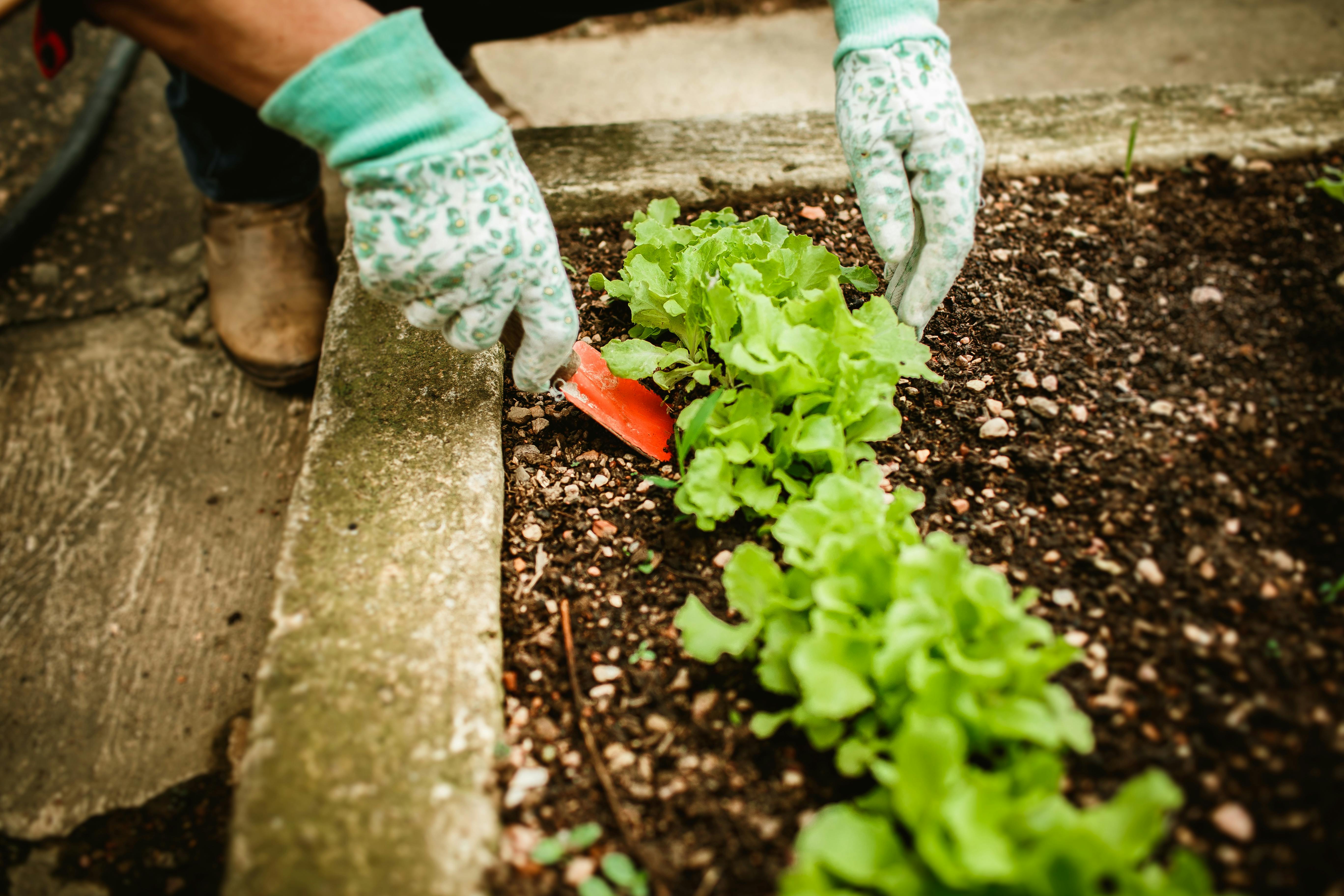
The Right Neighbors Make a Healthier Garden
Pair the right plants and they practically take care of each other. Pair the wrong ones and you'll fight pests all summer.
Plant a tomato next to the wrong neighbor and you might spend the whole summer fighting pests, poor growth, or a harvest that never quite arrives. Plant it next to the right one, and the two can practically take care of each other. That is the whole idea behind companion planting: pairing species that help one another repel insects, improve flavor, share nutrients, or simply make better use of the space.
It is one of the oldest tricks in gardening, used long before synthetic pesticides existed, and it still works today in a small backyard plot, a raised bed, or a handful of containers on a balcony. Here is what actually holds up, what to avoid, and how to start pairing plants this season.
What Companion Planting Actually Does
Companion planting works through a few repeatable mechanisms rather than folklore:
Classic Pairings That Actually Work
Tomatoes and Basil
Basil is said to repel whiteflies and aphids, two of the most persistent tomato pests, while its dense, low growth shades the soil around the tomato's roots and keeps moisture in. Many gardeners also swear it improves the flavor of the fruit.
Carrots and Onions
Carrot root fly and onion fly both find their target largely by smell. Interplanting the two crops confuses both pests at once. It is a simple, space-efficient pairing.
The Three Sisters: Corn, Beans, and Squash
This combination comes from Indigenous farming traditions and is still one of the most efficient in home gardening. Corn gives climbing beans a living pole, the beans fix nitrogen that feeds the corn, and sprawling squash leaves shade the ground and suppress weeds.
Roses and Garlic
Garlic planted around the base of roses is a favorite among gardeners fighting aphids and black spot. Its strong sulfur compounds are thought to make the area less appealing to soft-bodied pests.
Pairings to Avoid
Companion planting also has its share of bad matches:
How to Start This Season
- Pick one bed or container and pair just two crops you already grow
- Tuck marigolds or nasturtiums between vegetable rows
- Keep a simple sketch or note of what you planted where
- Avoid the known bad pairings rather than memorizing every good one
More Useful Pairings for Herbs and Flowers
Beyond the classic vegetable pairs, many herbs and flowers earn their place in a vegetable bed by attracting helpful insects or confusing pests:
Example Plan for a Small Raised Bed
Here is a simple layout for a typical raised bed of about 1.2 × 2 metres that combines several good companions:
- Back row (north side): two tomato plants with basil planted at their feet.
- Middle: a row of carrots alternating with a row of onions or leeks.
- Front: lettuce and radishes, re-sown every few weeks.
- Corners: marigolds or nasturtiums, plus one calendula.
Tall crops go on the north side so they do not shade the rest of the bed. Keep a short note of what grew where so you can rotate crops next year.
What Science Says (and What It Doesn't)
Honesty matters here: companion planting is a mix of good science and garden tradition. The effects that are best supported are attracting beneficial insects with flowers, using trap crops such as nasturtiums for aphids, and making better use of space by combining fast and slow crops.
Claims that one plant makes another "taste better" are mostly anecdotal. That does not mean they are wrong, only that results vary with your soil, climate and varieties. The best approach is to experiment, observe and keep what works in your own garden.
Frequently Asked Questions
What should not be planted next to tomatoes?
Avoid fennel, which slows the growth of most vegetables, and keep potatoes at a distance because both can suffer from the same blight.
Does companion planting work in pots?
Yes. A large pot with a tomato, basil and a marigold is a classic balcony combination.
Can I combine companion planting with crop rotation?
Absolutely. Rotate the main crops between beds each year and simply move their companions with them.
Final Thoughts
Companion planting will not fix a garden with poor soil or inconsistent watering, but layered on top of good basics, it is one of the simplest, lowest-cost ways to cut down on pests and get more out of the same space. Start with one or two pairings this season, watch how they perform, and expand from there.
Love Nature and Gardening? There's Much More Coming
If you are into nature, gardening, and agriculture, keep exploring our articles. We cover everything about it, in Europe and around the world, and there is much more coming soon. Follow our Facebook Page and join the conversation in our Facebook Group.
Comments
Post a Comment