
Beautiful, Fragile, and Rare
Ten of the world's most delicate flowers, and how to enjoy them without harming them.
Some flowers are built to last, but others seem to exist on borrowed time, with petals as thin as tissue paper, blooms that bruise if you look at them wrong, and lifespans measured in days rather than weeks. These are the flowers gardeners handle with the lightest touch, the ones florists cut at dawn and rush straight into water. Here are ten of the most delicate flowers in the world, and what makes each one so fragile.
1. Himalayan Blue Poppy

Meconopsis betonicifolia produces papery, sky-blue petals that look almost translucent in direct light. Native to high-altitude meadows in the Himalayas, it needs cool, damp, sheltered conditions to survive, which is exactly why it struggles anywhere warm or dry. Even experienced gardeners in the UK often describe it as short-lived, since the whole plant can collapse after a single hot spell.
2. Ghost Orchid

Dendrophylax lindenii has no leaves at all. It survives as a network of thin photosynthetic roots clinging to tree bark in the swamps of Florida and Cuba, and it depends on a specific fungus in the soil just to germinate. Its rare, ghostly white bloom appears irregularly and briefly, which is part of why the species is now classified as critically imperiled in the wild.
3. Cherry Blossom

Sakura blossoms open for barely one to two weeks each spring, and a single gust of wind can send the petals falling in a pink drift. That fleeting nature is the entire point in Japan, where hanami, the tradition of flower viewing, treats the short bloom window as a gentle reminder of how quickly beauty passes.
4. Peony

Peonies open into huge, ruffled blooms made up of layer after layer of thin petals, which is exactly why they bruise so easily and why a heavy summer rain can shatter an entire flower head overnight. Gardeners usually stake the stems in advance, since the blooms are often too heavy and too delicate to support themselves.
5. Poppy

Poppy petals emerge crumpled straight out of the bud, like crepe paper unfolding, and rarely last more than two or three days once fully open. They are notoriously difficult to use as cut flowers for exactly this reason, since even careful handling can bruise or tear the petals.
6. Sweet Pea

Lathyrus odoratus climbs on thin tendrils and produces ruffled, wing-shaped petals prized for their fragrance, but a cut sweet pea stem will often wilt within a single day. That short vase life is the tradeoff gardeners accept for one of the most fragrant flowers in any cutting garden.
7. Ranunculus

A single ranunculus bloom can hold close to a hundred tissue-thin petals wrapped in tight, rose-like layers. All that structure makes it stunning in photographs, but also means the outer petals bruise the moment they're handled roughly, which is why florists tend to keep them wrapped until the last possible moment.
8. Snowdrop
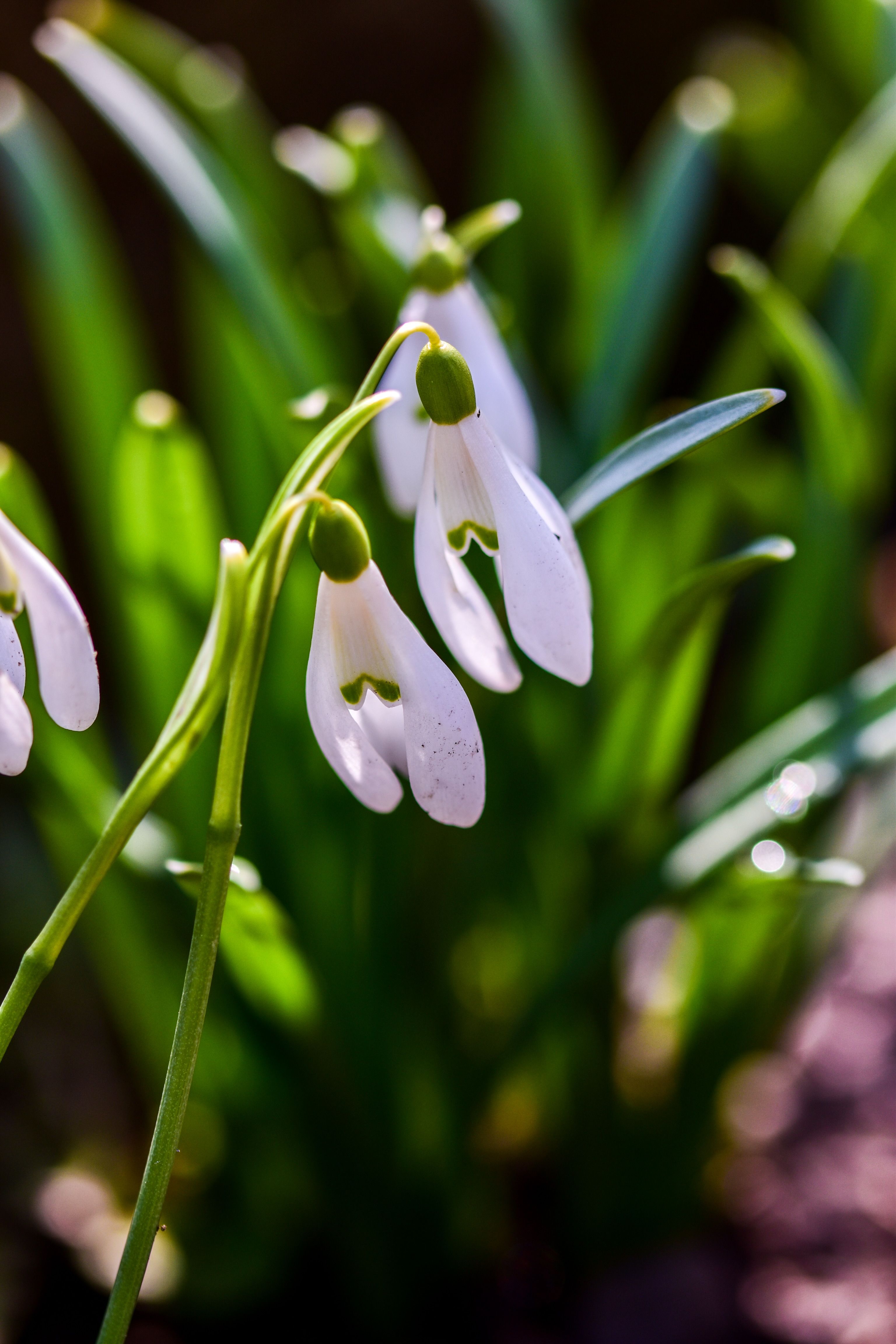
Galanthus nivalis is often the very first flower to push through late winter frost and snow, which sounds tough, but the plant itself is tiny and fragile, with thin stems and drooping white bells that can be flattened by a single footstep or a heavy rain.
9. Bleeding Heart

Lamprocapnos spectabilis produces heart-shaped blooms that dangle in a neat row along arching stems, but the entire plant is short-lived by design. Once summer heat arrives, bleeding heart quietly dies back to the ground and disappears until the following spring, a trait gardeners need to plan around rather than fight.
10. Lily of the Valley

Convallaria majalis produces tiny, bell-shaped flowers along a fragile stem, prized for their fragrance in perfumery and bridal bouquets alike. The blooms bruise easily and fade quickly once cut, and it's worth noting that every part of the plant is toxic if ingested, so it's best admired rather than handled by curious pets or children.
Quick Tips for Handling Delicate Flowers
- Cut stems in the early morning, when petals hold the most moisture and are least likely to wilt on the spot.
- Use clean, sharp shears rather than scissors, since a crushed stem cuts off water intake faster.
- Get delicate blooms into water immediately, even if that just means a bucket by the garden bed.
- Keep heavy-headed flowers like peonies and ranunculus staked or supported before a bloom fully opens.
- Avoid touching open petals more than necessary, since oils and pressure from fingers can bruise them.
- Keep cut delicate flowers out of direct sun and away from heat vents to stretch their vase life a little longer.
Love Nature and Gardening? There's Much More Coming
If you are into nature, gardening, and agriculture, keep exploring our articles, we cover everything about it, in Europe and around the world, and there is much more coming soon. Follow our Facebook Page and join the conversation in our Facebook Group.
Comments
Post a Comment