
Turn Your Balcony Into a Garden
Twenty proven plants and flowers that thrive in pots, from sunny terraces to shady city balconies.
A balcony, no matter how small, can become a lush personal retreat with the right mix of plants and flowers. Before diving into the list, it helps to think about a few basics that apply to almost any balcony garden: choose pots with drainage holes to avoid waterlogged roots, use a lightweight potting mix rather than heavy garden soil, and pay attention to how many hours of direct sun your balcony actually receives, since that single factor determines plant success more than almost anything else. Wind is also a bigger factor at height than at ground level, so taller or top-heavy plants may need a sheltered corner or a slightly larger, heavier pot for stability. Below is a curated list of twenty balcony-friendly plants, chosen for their hardiness in containers, manageable size, and season-long beauty. Each entry includes a quick care note plus a few extra tips so you can pick the best fit for your light conditions, watering routine, and available space.
1. Petunias

Petunias spill gracefully over railings and window boxes, producing trumpet-shaped blooms in shades of pink, purple, red, and white all summer long. They love full sun, ideally six or more hours a day, and reward regular deadheading with a steady flush of new flowers instead of a leggy, spent-looking plant. Feed them every two to three weeks with a balanced liquid fertilizer to keep the display going, and don't be afraid to trim leggy stems back by a third in midsummer; petunias bounce back quickly and often bloom even more fully afterward. Water when the top inch of soil feels dry, since consistently soggy roots are one of the few things that will actually slow them down.
2. Geraniums (Pelargonium)

A balcony classic, geraniums tolerate heat and occasional neglect while blooming for months on end, making them one of the most forgiving choices on this list. Give them a sunny spot with at least four to six hours of direct light, and let the soil dry slightly between waterings, since geraniums are more prone to root rot from overwatering than from missing a day. Snap off spent flower heads and yellowing leaves regularly to keep plants tidy and encourage new buds, and bring a favorite plant indoors before the first frost if you'd like to overwinter it, since geraniums can live for several years with the right care.
3. Marigolds

Marigolds bring cheerful gold, orange, and rust tones to a balcony and are famously easy to grow from seed, often flowering within eight weeks of sowing. Their pungent scent is more than decorative, too; it's known to help deter aphids and some other common pests from nearby plants, which makes marigolds a popular companion for balcony vegetable pots. Give them full sun and well-drained soil, and deadhead spent blooms often to keep fresh flowers coming right up until the first frost. They're also quite drought-tolerant once established, making them a low-stress option for anyone who occasionally forgets to water.
4. Lavender

Lavender thrives in a sunny, breezy balcony corner and rewards you with calming fragrance, silvery foliage, and steady visits from bees and other pollinators throughout summer. Good drainage is essential, since soggy roots are lavender's main enemy; choose a terracotta pot with ample drainage holes and a gritty, fast-draining potting mix rather than a rich, moisture-retentive one. Water only when the soil is dry a couple of inches down, and trim plants back lightly after their main bloom to keep them compact and encourage a tidier shape next season. Established lavender is remarkably drought-tolerant, so when in doubt, it's safer to underwater than to overwater.
5. Bougainvillea

For a bold splash of color, bougainvillea's papery bracts cascade beautifully over a railing or trellis, blooming in vivid magenta, orange, or white depending on the variety. It prefers full sun, ideally six or more hours daily, and actually blooms best when watering is kept on the lean side, since a bit of drought stress triggers its most dramatic flowering flushes. Choose a sturdy, well-draining pot, since bougainvillea can grow quite vigorously and benefits from a trellis or railing to climb along. Prune back hard in late winter or early spring to control size and shape, and wear gloves when handling it, as the stems carry sharp thorns.
6. Rosemary

This woody, fragrant herb doubles as a kitchen staple and an attractive evergreen shrub, adding structure and year-round greenery to a balcony even in the off-season. It's drought tolerant once established, so it's forgiving if you miss a watering day, and actually prefers to dry out somewhat between waterings rather than sitting in constantly moist soil. Give it as much sun as your balcony allows, and choose a pot with excellent drainage, since rosemary is far more likely to suffer from wet roots than from underwatering. Regular light pruning, and simply snipping sprigs for cooking, keeps the plant bushy rather than woody and sparse.
7. Basil

Basil loves warmth and consistent moisture, making it a great companion for a sunny, kitchen-adjacent balcony where you can snip leaves right before cooking. Regular pinching, taking the top set of leaves every week or two, keeps the plant bushy rather than tall and leggy, and produces a steady supply of fresh leaves all season long. Pinch off flower spikes as soon as they appear, since letting basil go to seed turns the leaves bitter and slows new growth. Basil is sensitive to cold, so wait until night temperatures are reliably above 50°F before moving it outside in spring.
8. Succulents

Perfect for busy balcony gardeners, succulents need only bright light and infrequent watering, making them one of the most forgiving groups of plants on this entire list. Their sculptural rosettes and varied colors add texture and visual interest without demanding much attention, and they're especially well suited to hot, sunny balconies where thirstier plants would struggle. Water deeply only when the soil is completely dry, generally every one to two weeks in summer and even less often in winter, and always choose a pot with drainage holes, since standing water is the fastest way to rot their roots. Mix several varieties together in one shallow container for an easy, low-maintenance arrangement.
9. Pansies

Pansies bring cheerful, face-like blooms in an enormous range of colors during the cooler months of spring and fall, when many other flowering annuals are just getting started or already fading. They tolerate partial shade, making them handy for balconies that don't get all-day sun, though they'll flower most heavily with at least a few hours of direct light. Keep the soil consistently moist but not soggy, and deadhead spent blooms regularly to prolong flowering. In milder climates, pansies can even survive a light frost and keep blooming well into early winter.
10. Impatiens

Impatiens are one of the few flowers that bloom prolifically in shade, making them ideal for covered patios or north-facing balconies where sun-loving annuals simply won't perform. Keep the soil consistently moist for the best display, since impatiens have shallow roots and wilt quickly in dry soil, though they usually bounce back within an hour or two of watering. Feed lightly every few weeks during the growing season to support their nonstop flowering, and pinch back leggy stems in midsummer to encourage a fuller, bushier shape. They're also an easy way to add bright color to the shadier corners of a balcony that might otherwise look bare.
11. Dwarf Lemon Tree

A dwarf citrus tree brings fragrant blossoms and real, homegrown fruit to a sunny balcony corner, and its glossy evergreen leaves look attractive even between fruiting seasons. It needs a large pot with excellent drainage and as much consistent, direct sunlight as your balcony can offer, ideally eight or more hours a day, to flower and fruit well. Feed with a citrus-specific fertilizer during the growing season, and water deeply when the top few inches of soil dry out rather than on a fixed schedule. In cooler climates, dwarf lemon trees need to come indoors near a bright window before the first frost, since they generally can't tolerate temperatures below the mid-30s Fahrenheit.
12. Boston Fern

Hung in a shady corner, a Boston fern adds lush, feathery greenery that softens hard railings, walls, and metal furniture with a soft, cascading shape. It appreciates humidity, so regular misting, or simply grouping it near other plants, keeps the fronds looking their best, especially in dry summer heat. Keep the soil evenly moist but not waterlogged, and trim off any browning fronds at the base to keep the plant looking fresh. Boston ferns dislike direct sun, which can scorch their delicate leaves, so a covered or north-facing balcony is actually an advantage rather than a limitation for this one.
13. Hibiscus
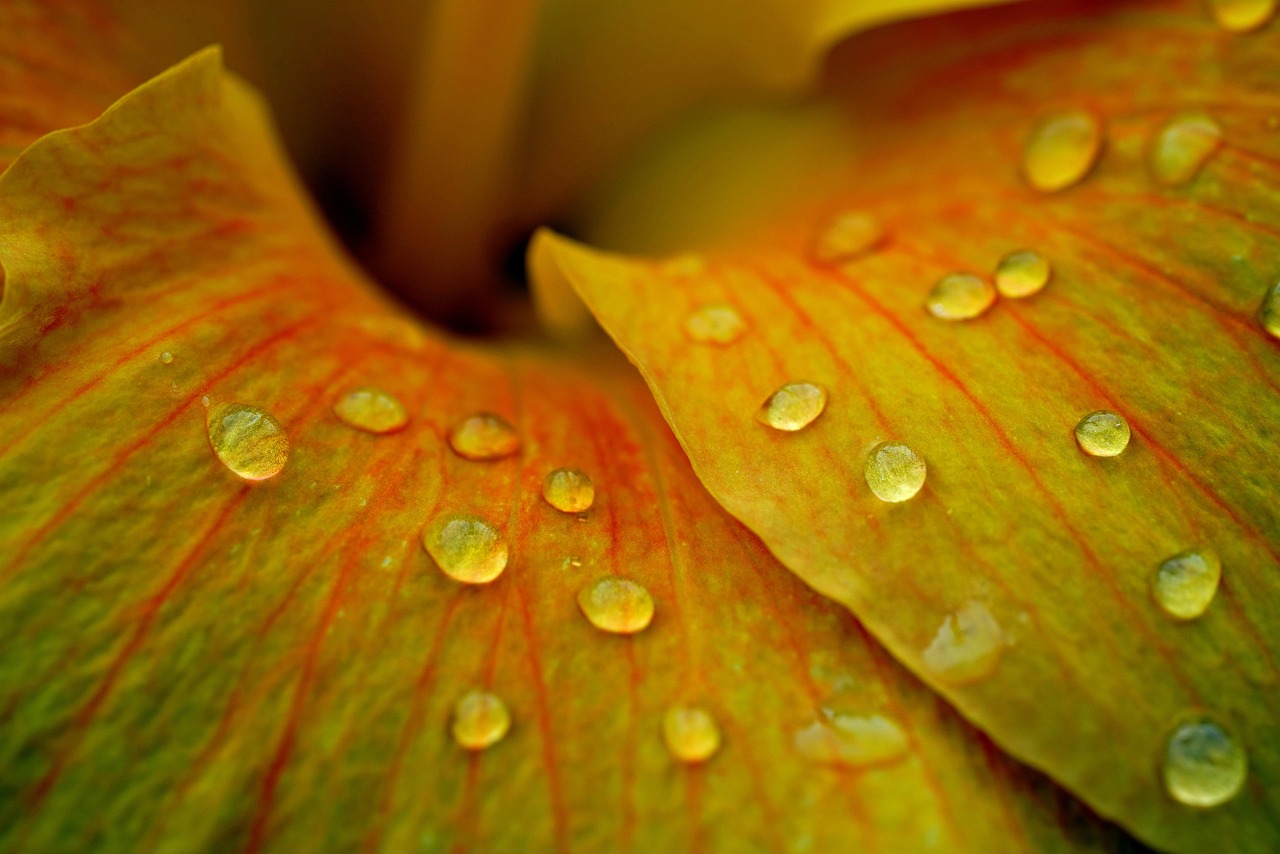
Hibiscus produces dramatic, oversized blooms in shades of red, pink, orange, and yellow that make a striking focal point on a sunny balcony, even though each individual flower often lasts only a day or two before a fresh one opens. It's a thirsty plant, so plan on watering it more often than most container flowers, sometimes daily in hot summer weather, and feed regularly with a fertilizer formulated for flowering plants to keep the blooms coming. Give it as much sun as possible and a sturdy pot, since a mature hibiscus can get top-heavy. In colder regions, move it indoors near a bright window over winter, since hibiscus is not frost-hardy.
14. Morning Glory

A fast-growing vine, morning glory is perfect for training up a trellis, string, or railing to quickly create shade, privacy, or a living green screen over the course of a single season. Its trumpet-shaped flowers open with the morning sun, often in vivid blues, purples, or pinks, and close by afternoon, making them especially popular with bees and other early-morning pollinators. Plant in full sun and give the vine something to climb right from the start, since it can grow several feet in a matter of weeks once established. Morning glory self-seeds readily, so deadhead spent flowers if you'd rather not have volunteer seedlings appear the following spring.
15. Sweet Alyssum

Low and mounding, sweet alyssum is ideal for edging pots or filling gaps between taller plants, spilling gently over the sides of a container in a soft carpet of tiny flowers. Its honey-scented blooms tolerate partial sun and flower for most of the growing season, slowing down only in the most intense summer heat. Shear the plant back by about half if it starts to look sparse or stops flowering in midsummer; it typically rebounds within a couple of weeks with fresh growth and a new flush of blooms. Sweet alyssum also attracts beneficial pollinators, making it a nice low-growing companion for vegetables or taller flowers in the same container.
16. Snake Plant
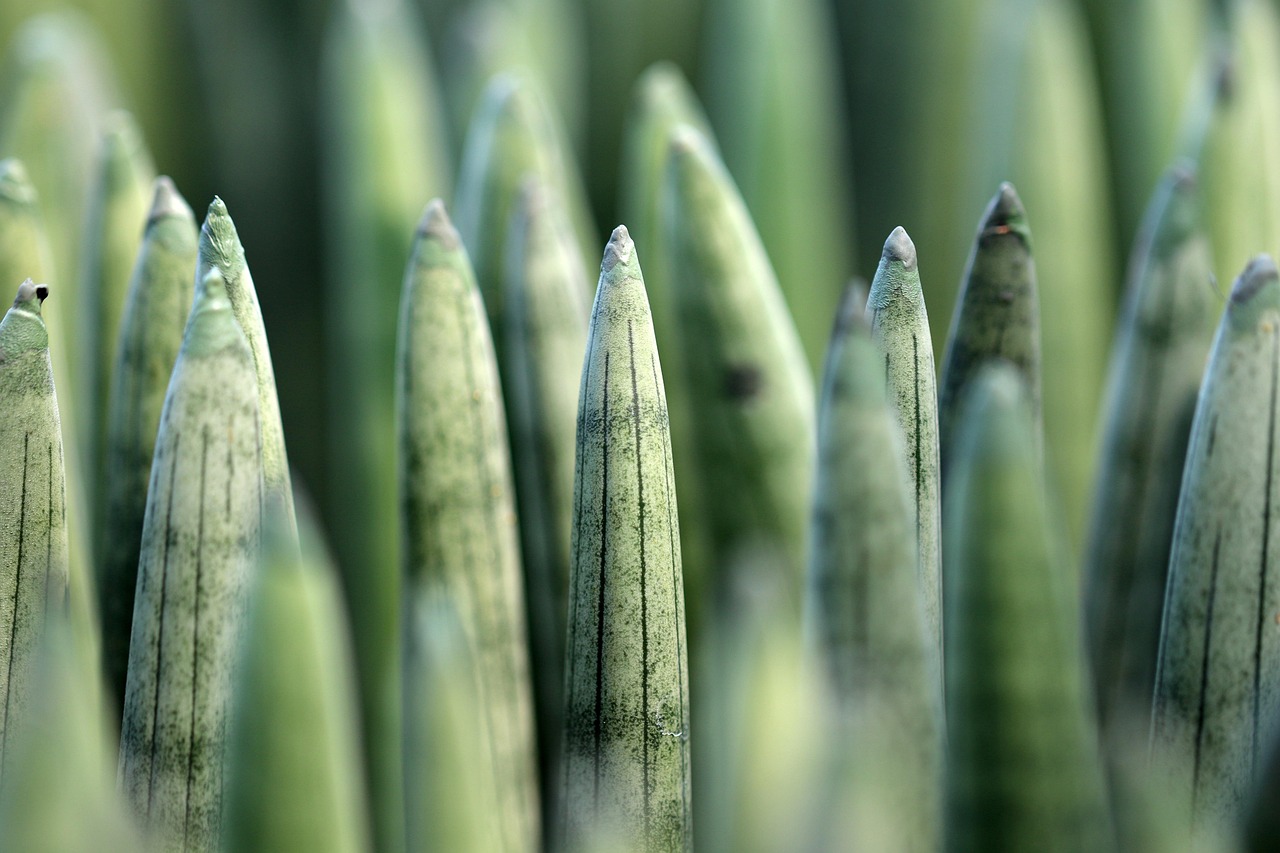
Snake plant is about as low-maintenance as it gets, tolerating low light, irregular watering, and the kind of neglect that would kill most other plants on this list. Its stiff, upright leaves, often striped in shades of green, gray, or yellow, add striking architectural structure to any balcony corner, whether it sits in bright sun or a shadier spot. Let the soil dry out completely between waterings, since overwatering is by far the most common way to harm this plant, and use a pot with good drainage. Snake plants also grow slowly, so they rarely need repotting more than once every couple of years.
17. Jasmine

Jasmine's small white flowers release an intoxicating fragrance, especially in the evening, making it one of the best choices for a balcony where you like to sit outside after dark. Give it a trellis, railing, or other support to climb, along with a spot that gets plenty of sun, for the fullest and most fragrant bloom. Keep the soil evenly moist but not waterlogged, and feed occasionally during the growing season to support its climbing growth and flowering. A light pruning after the main bloom period helps keep jasmine tidy and encourages fuller growth the following season.
18. Chrysanthemum

Chrysanthemums bring a burst of gold, bronze, red, and purple color just as many other flowers fade in autumn, making them one of the best ways to extend a balcony's blooming season into the cooler months. They prefer full sun and have naturally compact, mounding growth habits that suit container life well, without needing much staking or support. Water regularly, since chrysanthemums in pots can dry out faster than those in garden beds, and deadhead spent blooms to keep the display looking fresh. In milder climates, some varieties can be overwintered outdoors with a layer of mulch for protection, though many gardeners simply treat them as a seasonal display.
19. Zinnia

Zinnias are simple to grow from seed and produce a steady stream of bright, long-lasting blooms in nearly every color except true blue, often flowering within two months of sowing. Full sun and regular deadheading keep them flowering right up until the first frost, and they also make excellent cut flowers if you'd like to bring a few blooms indoors. Water at the base rather than overhead to help prevent powdery mildew, a common issue in humid weather, and give plants enough space or airflow around the pot to keep foliage dry. Zinnias also attract butterflies and bees, adding some welcome pollinator activity to a balcony garden.
20. Mint

Mint grows so vigorously that it's best kept in its own container rather than planted alongside other herbs, since its spreading roots will quickly crowd out neighboring plants, but that same vigor makes it a perfect, nearly foolproof balcony herb. It tolerates partial shade and rewards you with fresh leaves for drinks, garnishes, and cooking all season long, regrowing readily even after a generous harvest. Keep the soil consistently moist, since mint prefers more water than many other herbs on this list, and trim it back regularly to keep growth bushy rather than leggy. With so many varieties available, from peppermint to spearmint to chocolate mint, it's easy to grow two or three kinds side by side for a bit of variety.
Final Thoughts
Whether your balcony basks in full sun or sits mostly in shade, there's a plant on this list suited to your space, and most balconies actually have a mix of light conditions worth taking advantage of. Mixing flowering annuals, hardy perennials, and a few useful herbs will give you color, fragrance, and even flavor right outside your door, while combining different pot sizes and heights adds visual interest without requiring more floor space. Don't be afraid to rotate plants seasonally, swapping pansies for petunias as the weather warms, or adding chrysanthemums once summer annuals start to fade, so your balcony keeps evolving throughout the year. Start with just a few varieties that match your light and watering habits, then expand gradually as you learn what thrives in your specific spot.
Love Nature and Gardening? There's Much More Coming
If you are into nature, gardening, and agriculture, keep exploring our articles, we cover everything about it, in Europe and around the world, and there is much more coming soon. Follow our Facebook Page and join the conversation in our Facebook Group.
Comments
Post a Comment