Olive Oil Production Around the World: Spain, Italy, Greece, Tunisia, Türkiye and Why Prices Exploded
Liquid Gold: How the World Grows Its Olive Oil
From the endless groves of Andalusia to Greek islands, Italian hills, Tunisian plains and Turkish coasts, the story behind the oil in your kitchen.
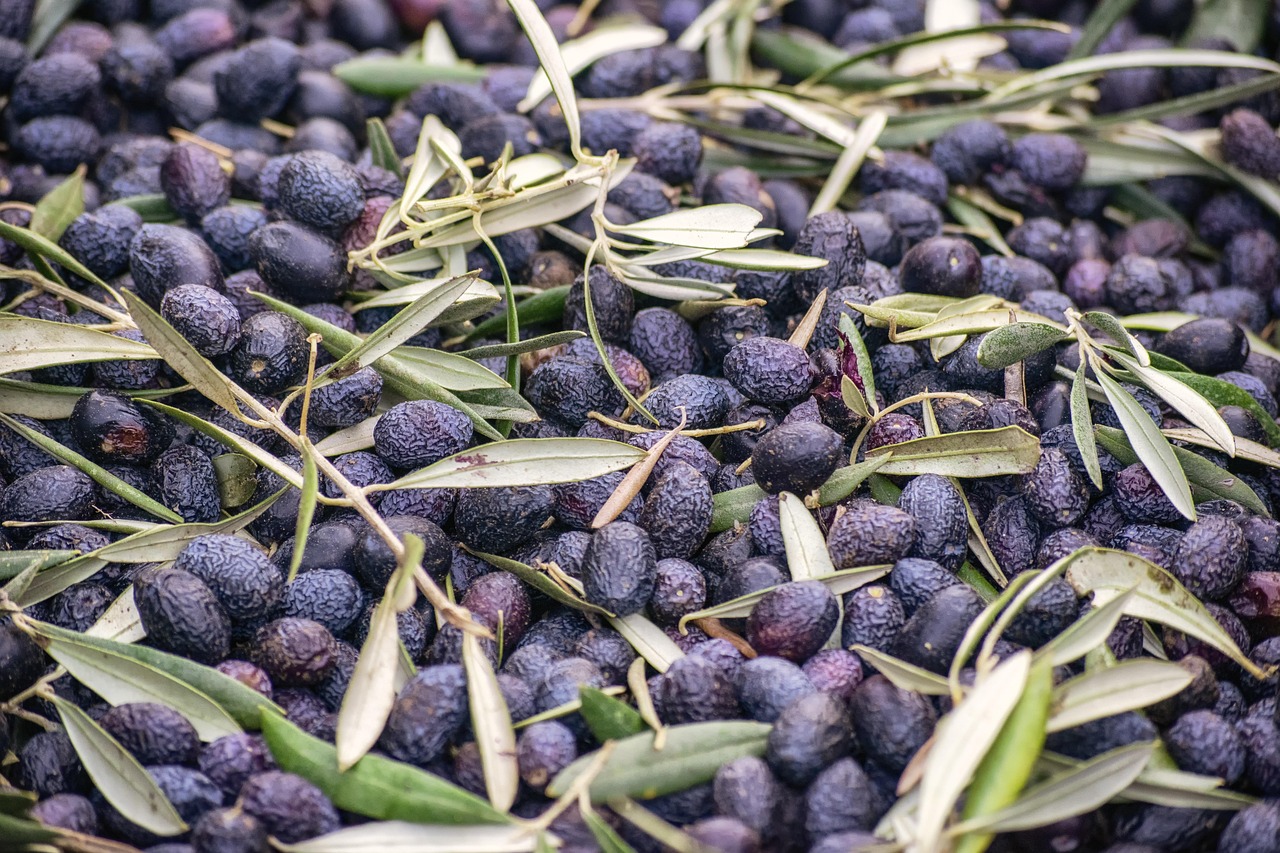
Right now, from October to January, the olive harvest is in full swing around the Mediterranean. Nets are spread under the trees, branches are shaken, and mills run day and night turning fruit into oil. It's one of the oldest farming traditions on Earth, and it still feeds a global market of more than 3 million tonnes of oil every year.
In the last few years, olive oil also became famous for a less happy reason: prices exploded. Many people in Germany and across Europe saw a bottle of extra virgin oil double in price almost overnight.
In this guide: where olive oil comes from, who produces the most, why prices went crazy, how the harvest works, the main olive varieties, how to read a label, and whether you can grow an olive tree yourself in Central Europe.
An Ancient Tree That Shaped the Mediterranean
The olive tree (Olea europaea) was domesticated in the eastern Mediterranean thousands of years ago. Phoenicians, Greeks and Romans spread it across the whole region, and olive oil became food, medicine, lamp fuel and even currency.
Olive trees are incredibly tough. They survive heat, poor rocky soil and long dry summers, and some trees in Greece, Italy, Spain and Lebanon are believed to be more than 1,000 years old and still produce fruit.

Traditional olive groves, with wide spaces between old, thick-trunked trees.
Who Produces the Most Olive Oil?
According to the International Olive Council (IOC), world production in the 2024/25 season reached about 3.57 million tonnes, a strong recovery after two terrible years. Here are the biggest players:
| Country | Production 2024/25 (tonnes) |
|---|---|
| Spain | about 1,419,000 |
| Türkiye | about 505,000 |
| Tunisia | about 340,000 |
| Greece | about 250,000 |
| Italy | about 248,000 |
| Portugal | about 177,000 |
Provisional figures from the International Olive Council. Harvests change a lot from year to year.
The Big Olive Oil Countries
Spain: The Giant
Spain alone produces around 40% of the world's olive oil in a normal year. Most of it comes from Andalusia, and especially the province of Jaén, often called the olive oil capital of the world. Drive through Jaén and you see olive trees to the horizon in every direction, tens of millions of them. Main varieties: Picual, Hojiblanca and Arbequina.
Italy: Quality and Hundreds of Varieties
Italy is a huge consumer and importer, and also one of the most famous producers. It has hundreds of native olive varieties, from Coratina in Puglia to Frantoio and Leccino in Tuscany. Puglia, in the "heel" of Italy, is the biggest producing region, but it was hit hard by the Xylella fastidiosa bacteria, which has killed millions of olive trees there since 2013.
Greece: The Biggest Olive Oil Eaters
Greeks are among the biggest olive oil consumers in the world per person. Most Greek oil comes from Crete and the Peloponnese, and the star variety is Koroneiki, a small olive that gives a strong, fruity, peppery oil. Greece is also home to the famous Kalamata table olives.
Tunisia: Africa's Olive Power
Tunisia has some of the largest olive-growing areas in the world, especially around Sfax. Most of its oil is exported, and a lot of it ends up in European bottles, sometimes blended and sold under other brands.
Türkiye: The Fast Riser
Türkiye had a record harvest in 2024/25, more than doubling the year before. The Aegean coast around İzmir and Aydın is the heart of production.
Portugal: The Quiet Winner
Portugal has invested heavily in modern, irrigated groves, especially in the Alentejo region, helped by water from the Alqueva dam. Production has grown fast in the last 15 years.
New Players Around the World
Olive oil isn't only Mediterranean anymore. Olives grow in places with hot, dry summers and mild winters, and new producers keep appearing:
- Morocco, Algeria and Egypt: big new plantations, especially for table olives and local markets.
- Syria, Lebanon, Palestine and Jordan: ancient olive cultures where the tree is part of everyday life and identity.
- Argentina and Chile: modern groves producing high-quality extra virgin oil, harvested in the southern autumn (April to June).
- Australia and the USA (California): smaller but growing, with a focus on premium oils.
- Brazil: a young industry in the cooler highlands of Rio Grande do Sul and Minas Gerais (Serra da Mantiqueira), with award-winning small producers.
Why Did Olive Oil Prices Explode?
If you felt shocked at the supermarket in 2023 and 2024, you were not imagining it. Here is what happened:
- Drought and heat in Spain. Extreme heat during flowering and very little rain cut Spain's harvest to roughly half of normal, two seasons in a row (2022/23 and 2023/24).
- Less oil everywhere at once. Italy, Greece and Portugal also had weak harvests in some of those years.
- Prices at origin hit records. With the world's biggest producer short of oil, wholesale prices rose to levels never seen before.
The big 2024/25 harvest brought prices at origin down again, but supermarket prices fall more slowly, and many experts warn that climate change will make these price shocks more common.
How the Olive Harvest Works

Modern hand-held shakers make the harvest much faster than traditional sticks.
How to Read an Olive Oil Label
| Label | What it means | Best for |
|---|---|---|
| Extra virgin (Natives Olivenöl extra) | Highest grade, mechanically pressed, no defects, acidity max. 0.8% | Salads, dipping, finishing dishes, cooking |
| Virgin (Natives Olivenöl) | Mechanically pressed, small taste defects allowed, acidity max. 2% | Everyday cooking |
| Olive oil (Olivenöl) | A blend of refined oil and some virgin oil | Frying and baking |
| Olive pomace oil | Extracted from the leftover paste with solvents, then refined | Cheap frying, industry |
- Harvest date: fresher is better. Try to buy oil from the latest harvest.
- Origin: "Blend of EU oils" means it can come from several countries. A single country or a PDO/PGI (g.U./g.g.A.) label tells you exactly where it's from.
- Dark bottle or tin: light and heat damage olive oil. Avoid clear bottles that sat under shop lights.
Can You Grow an Olive Tree at Home?
Olive trees have become very popular on balconies and terraces in Germany, Austria and Switzerland. They're beautiful, but you need to treat them right.

Green olives ripening on the branch. In Central Europe, potted trees rarely give a real harvest.
- Sun, sun, sun: give it the sunniest spot you have, outdoors from spring to autumn.
- Free-draining soil: use a pot with good drainage and a gritty mix. Wet roots kill olive trees faster than dry soil.
- Winter: established trees can handle short, light frosts (around -5 °C), but potted trees are much more vulnerable because their roots freeze. In most of Germany, move it to a bright, cool, frost-free room (about 5 to 10 °C) in winter, or wrap the pot well in a mild area.
- Fruit: you may get some olives in a hot summer, but don't expect a harvest. Remember: fresh olives are extremely bitter and must be cured in brine before you can eat them.
Olive Oil Quick Facts
- World production 2024/25: about 3.57 million tonnes
- Biggest producer: Spain, around 40% of the world total
- Olive oil capital: Jaén, Andalusia
- Northern hemisphere harvest: October to January
- About 5 kg of olives for 1 litre of oil
- Extra virgin: acidity max. 0.8%, no taste defects
- Biggest threats: drought, heat and Xylella fastidiosa
Final Thoughts
Every bottle of olive oil carries a long story: ancient trees, hard work in cold winter mornings, family mills, giant modern farms and a climate that is getting harder to predict. Knowing where your oil comes from helps you choose better, avoid fakes and pay a fair price for real quality. And if you have a sunny balcony, an olive tree is a lovely way to bring a little piece of the Mediterranean home.
Love Nature and Gardening? There's Much More Coming
If you are into nature, gardening, and agriculture, keep exploring our articles. We cover everything about it, in Europe and around the world, and there is much more coming soon. Follow our Facebook Page and join the conversation in our Facebook Group.
Comments
Post a Comment